KPJ groups · April 21, 2026
“Thank you for touching me.”
If you could stand with me for just one morning in rural Kenya, you would never forget it.
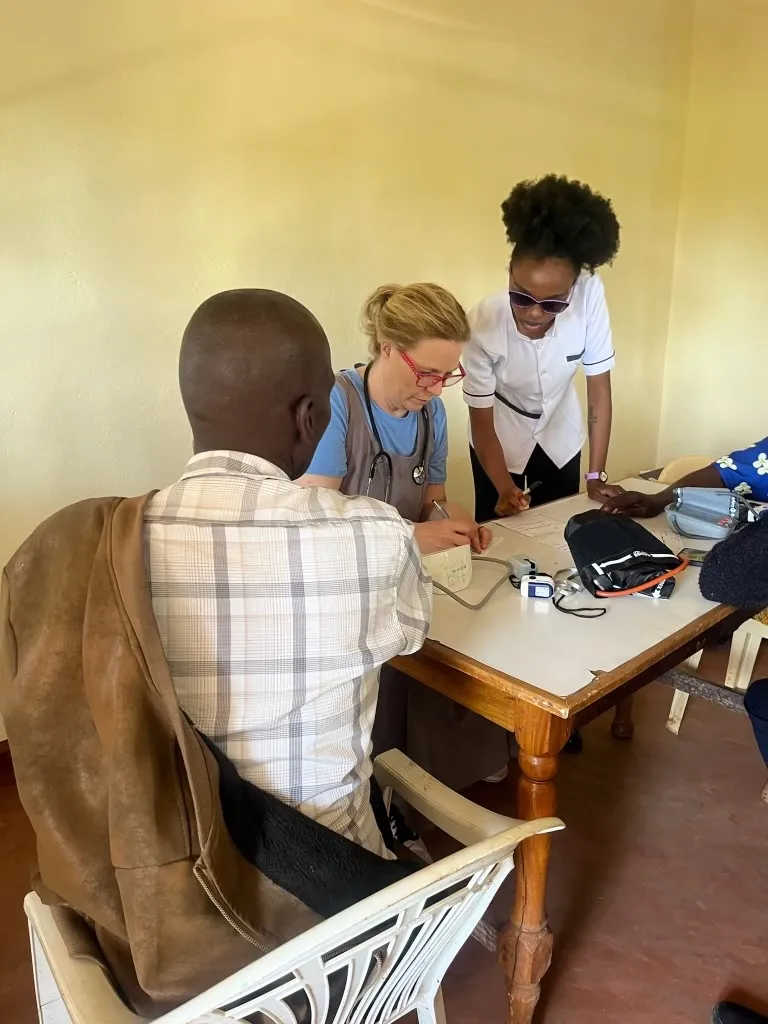
The sun is already high. Red dust clings to our shoes. Outside a small building marked Clinic, a long line stretches with mothers holding babies, elderly grandmothers leaning on canes, and fathers who have walked miles. At our most recent outreach, more than 800 men, women, and children came.
But what struck me most wasn’t just the number. It was how they got there.
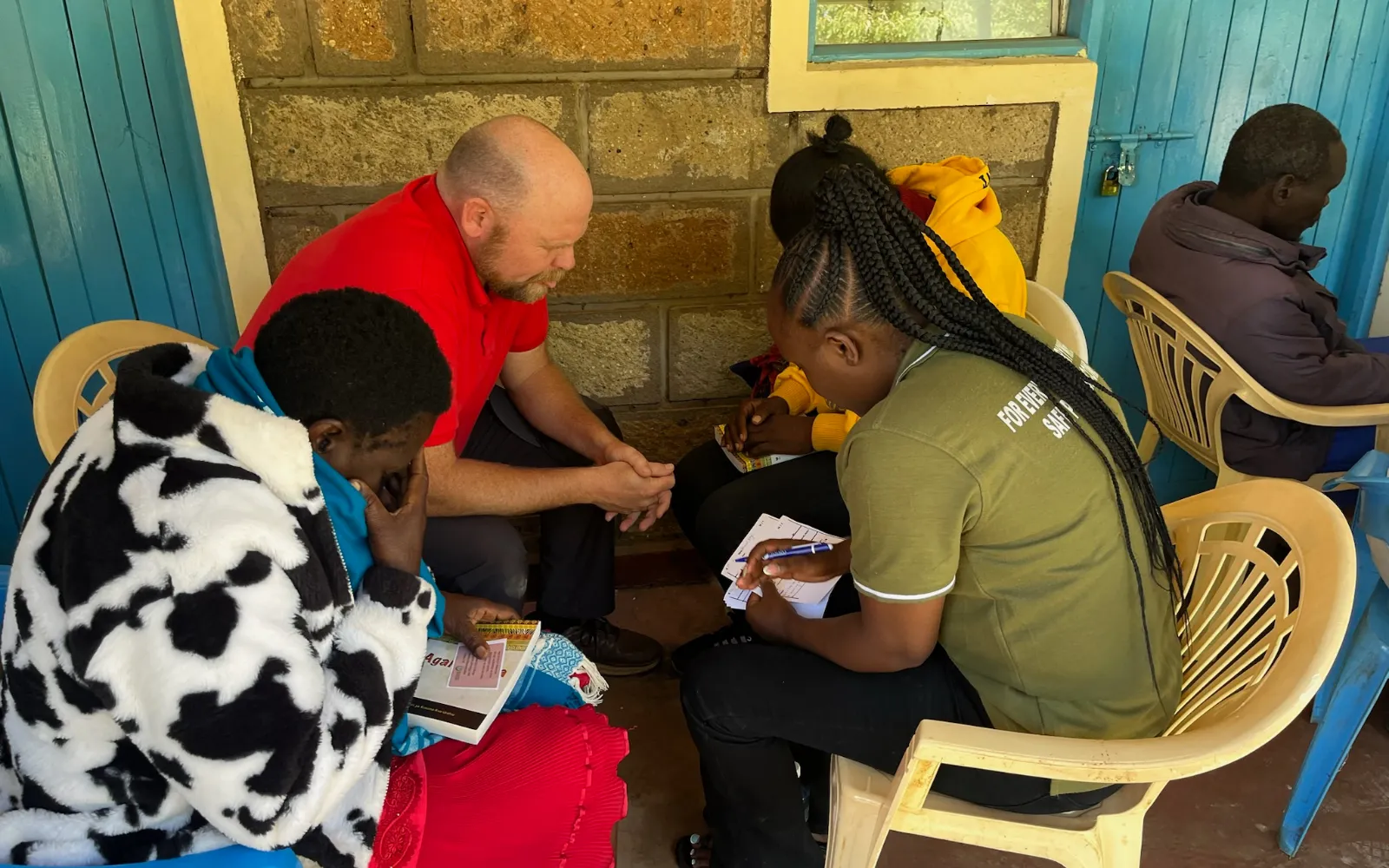
Nearly all of them came because of a Sodzo KPJ group in their village. KPJ, Kuja Pamoja kwa Jamii, means “come together to the place where we belong.” These groups meet regularly across rural communities, where neighbors gather for encouragement, prayer, and practical support. They talk honestly about life, finances, health, and family challenges, and over time, trust begins to grow.
Today, more than 70 KPJ groups are reaching over 16,000 people each week. These groups are the heartbeat of Sodzo’s work. And when opportunities like medical clinics arise, it is these trusted relationships that make it possible for people to come.
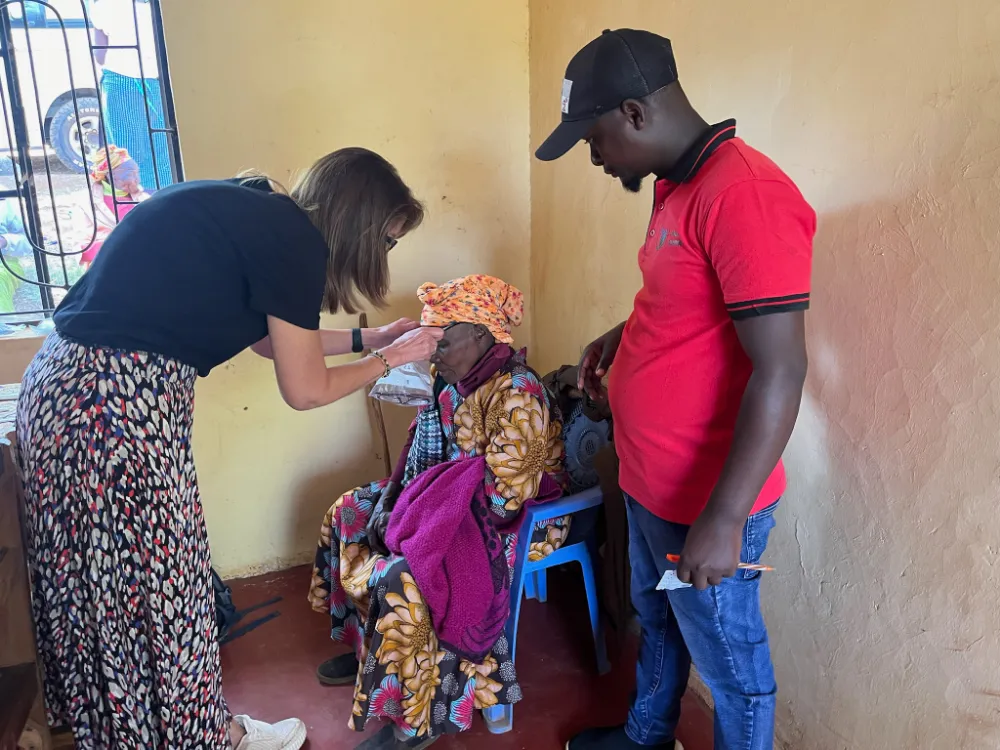
That morning, while patients stood in line to see a doctor, we did something else first. We prayed for every single person.
One woman sat down in front of me. She was missing an eye, and a scar ran down her arm. Years of domestic abuse had left both physical and emotional wounds.
Before she received medical care, we prayed together. When we finished, she looked up with tears and said quietly, “Thank you for touching me.”
Her words revealed how long she had gone without simple human kindness.
This is why KPJ groups matter so deeply. Yes, on clinic days we serve hundreds. But the lasting impact happens in KPJ groups, where people find emotional, spiritual, financial, and practical support within their own community. And when communities are strong, families stay together, and children are far less likely to end up living on the streets.
This is where healing begins, and where it continues long after a clinic day ends.